
The global leather industry is undergoing significant transformation in 2026. Across footwear manufacturing, leather goods production, automotive interiors, furniture upholstery, and related sectors, manufacturers are facing continuous pressure from rising raw material costs.
Among all cost factors, leather price inflation has become one of the most critical challenges affecting profitability and long-term competitiveness.Leather has been a core material in premium manufacturing due to its durability, texture, and performance. However, unlike synthetic materials, leather supply is highly dependent on livestock resources, environmental conditions, and global supply chain stability.Leather pricing is increasingly volatile and difficult to control.Today, the key question for manufacturers is no longer:“How to buy cheaper leather?”
But instead:
How to maximize the value of every square meter of leather purchased?
This shift is driving rapid adoption of digital manufacturing technologies, including leather cutting machine, intelligent nesting systems, and automated production solutions.
The Real Impact on Manufacturers
Most manufacturers initially attempt to negotiate lower purchase prices.When global prices rise, supplier negotiation alone is no longer effective.The real issue is:
1
Raw Material Supply Constraints
Leather production depends heavily on livestock supply chains. Changes in cattle farming, environmental regulations, and agricultural conditions directly affect raw hide availability.
Climate change, droughts, and stricter environmental policies in many regions have reduced supply stability, pushing raw material prices higher.
2
Increasing Processing Costs
Turning raw hides into usable leather requires energy- and labor-intensive processes such as tanning, dyeing, and finishing, and in recent years rising energy costs, stricter environmental compliance requirements, higher water treatment expenses, and increasing labor wages have all significantly increased production costs for tanneries.
3
Labor Shortages in Manufacturing
Many countries are experiencing severe labor shortages in manufacturing industries.
Skilled leather workers are becoming harder to recruit and retain, while younger generations are less willing to enter factory environments.
This increases dependency on automation and digital solutions such as automatic leather cutting machine systems.
4
Strong Demand for Premium Leather
Despite rising costs, demand for high-quality leather remains strong in luxury footwear, automotive interiors, high-end furniture, and premium leather goods, and this imbalance between supply and demand continues to push prices upward.
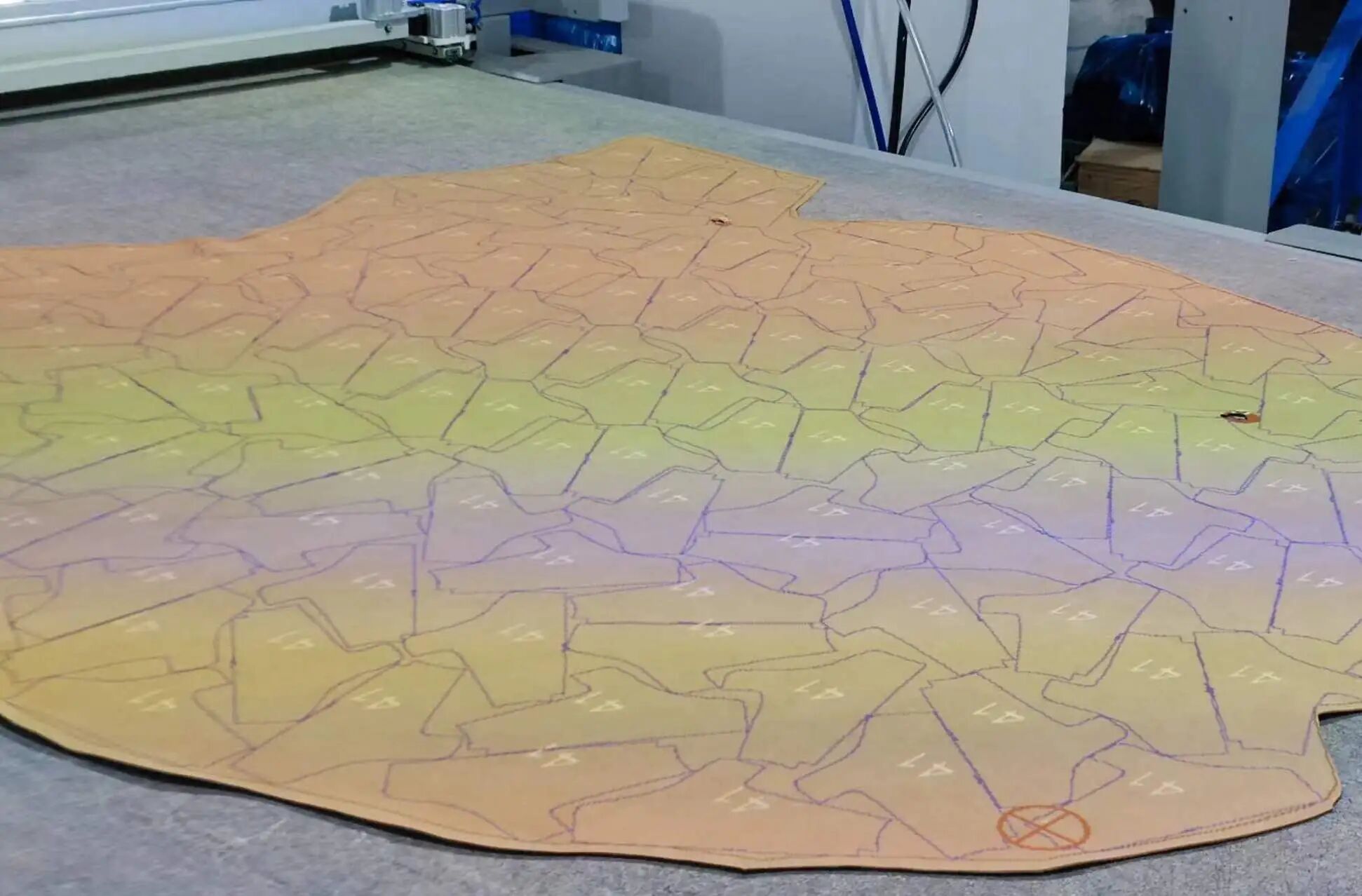
In the past, labor cost was the main competitive factor.Today, material cost often exceeds labor cost.This shifts the focus toward maximizing material efficiency.A small improvement in utilization can generate greater savings than labor reduction.Material efficiency has become a key performance indicator for modern factories.
The Rise of CNC Leather Cutting Technology
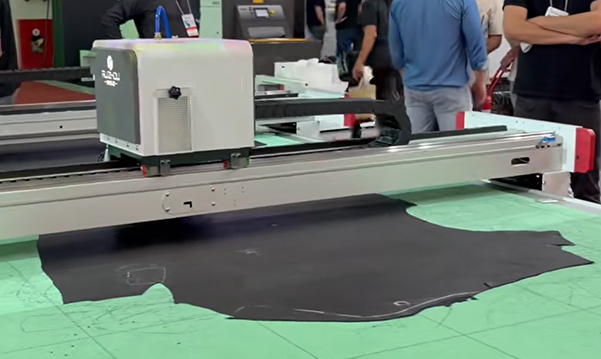
The global adoption of cnc leather cutting machine systems is accelerating.Compared with traditional methods, CNC systems offer:
1.Precision
Stable and accurate cutting results across all production batches.
2.Flexibility
No need for die production; designs can be changed instantly.
3.Speed
Faster workflow with reduced preparation time.
4.Consistency
Same output quality regardless of operator skill.
Labor shortages continue to impact manufacturing worldwide, and modern automatic leather cutting machine systems help factories reduce manual dependency, improve production stability, increase output efficiency, and lower labor intensity, while automation does not replace workers but reallocates human resources to higher-value tasks such as quality control and production planning. At the same time, sustainability has become a major global manufacturing requirement, where reducing leather waste contributes directly to lower environmental impact, better resource utilization, and reduced carbon footprint, and digital systems improve sustainability while reducing costs simultaneously, making leather cutting solution technologies essential for future manufacturing. In addition, ROI of digital cutting systems depends on material consumption, waste rate, labor cost, and production scale, but many factories find that material savings alone can justify investment, and when combined with labor savings and efficiency improvements, ROI becomes even stronger, meaning digital cutting is no longer just equipment but a strategic investment.
About RUIZHOU Technology
Rising global leather prices are not only a cost challenge but are also driving a structural transformation in the manufacturing industry, where the future belongs to companies that can improve efficiency, reduce waste, and adopt intelligent manufacturing, making digital transformation no longer an option but a necessity for survival and competitiveness in 2026. RUIZHOU Technology specializes in intelligent CNC cutting solutions for footwear, leather goods, automotive interiors, furniture, and industrial materials, providing advanced leather cutting machine, cnc leather cutting machine, and complete leather cutting solution systems to help manufacturers improve efficiency and reduce material waste. 🌐 www.ruizhoutech.com