
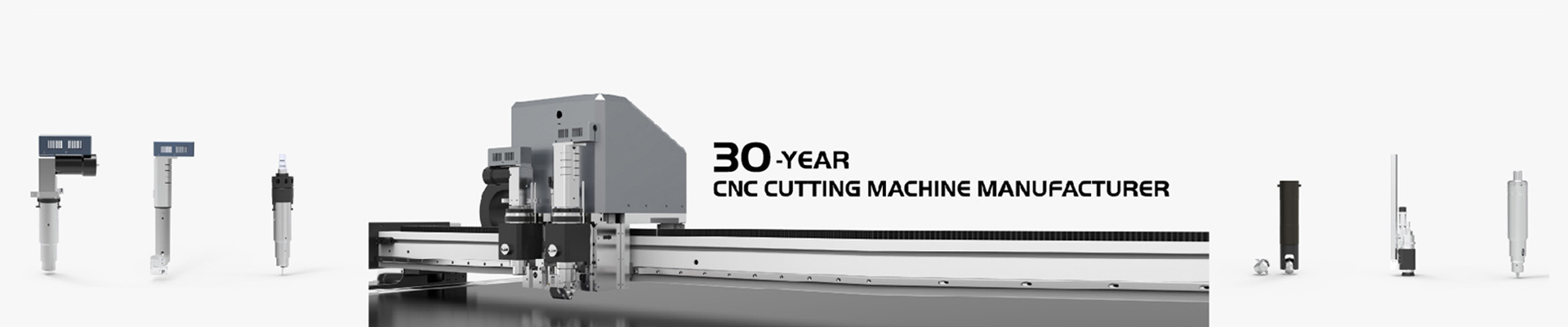
The global garment manufacturing industry is undergoing a major transformation. Rising labor costs, increasing demand for high-quality production, and the need for faster delivery cycles are forcing factories to rethink their operations.For suit manufacturers, the challenge is even greater. Precision cutting, consistency, and efficiency are critical, yet traditional manual cutting methods struggle to meet these requirements.
As a result, more factories are turning to automation—especially the CNC Garment Cutting Machine—to stay competitive in today’s fast-changing market.
Why Traditional Cutting Methods Are No Longer Sustainable
Manual fabric cutting has been the backbone of garment production for decades. However, it comes with significant limitations:
High dependence on skilled labor
Inconsistent cutting accuracy
Slow production speed
Significant material waste
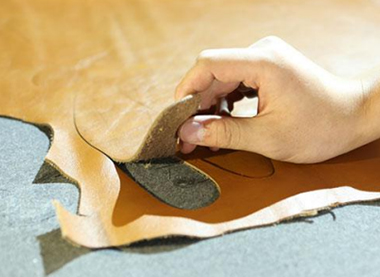
As labor costs continue to rise globally, relying on manual processes is becoming increasingly expensive and inefficient.An Automatic Fabric Cutting Machine offers a scalable, efficient, and cost-effective solution for modern factories.
How Fast Can You Recover Your Investment?
For factory owners, the most important consideration is not just performance—it is return on investment.A CNC Garment Cutting Machine is not simply a cost; it is a long-term profit generator. The key question is:👉 How quickly can it pay for itself?
Where the Savings Come From
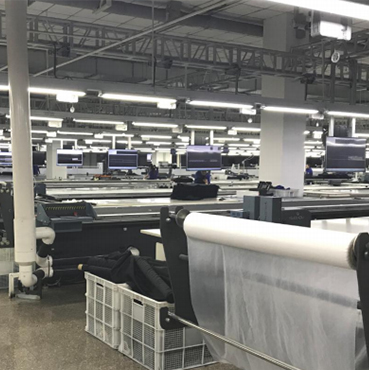
Labor Cost Reduction
Traditional cutting operations require:
8–10 skilled workers
Average monthly salary per worker: $400–$600
👉 Total monthly labor cost: $4,000–$6,000
After installing a CNC Garment Cutting Machine:
Only 2–4 operators are needed
👉 New monthly labor cost: $1,200–$2,400
Monthly Savings:
👉 $2,800–$3,600
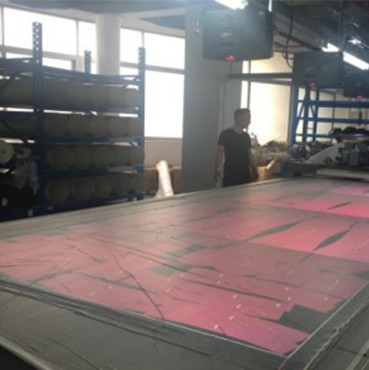
Fabric Waste Reduction
Fabric is one of the largest cost components in garment production.
Traditional waste rate:
👉 10%–15%
With an advanced AI Fabric Cutting System:
Intelligent nesting optimizes fabric usage
Waste reduced to 5%–8%
Monthly Savings Example:
If fabric cost is $50,000/month:
👉 Savings of $3,500–$5,000
Production Efficiency Improvement
Manual cutting is limited by human speed and fatigue.
A High Efficiency Textile Cutting Machine enables:
Continuous operation
Faster cutting cycles
Increased production capacity
Efficiency Gain:
👉 2x–3x improvement
This allows factories to:
Accept more orders
Shorten delivery time
Improve customer satisfaction
Combining all savings, labor costs can be reduced by approximately $2,800–$3,600 per month and fabric costs by about $3,500–$5,000 per month, resulting in total monthly savings of $6,300–$8,600. Considering that a Garment CNC Cutter for Suit Manufacturing typically costs between $50,000 and $80,000, the payback period based on these savings is generally 6 to 12 months.
Beyond direct ROI, automation delivers several long-term strategic advantages for garment manufacturers. A CNC Garment Cutting Machine ensures consistent product quality by maintaining the same cutting precision across every batch, significantly reducing defects, rework, and quality variations. It also enables true production scalability, allowing factories to increase output without proportionally expanding their workforce, which is especially valuable in periods of high order demand. In addition, automation reduces dependence on highly skilled manual cutters, easing recruitment pressure and stabilizing production capacity in regions where skilled labor is limited or expensive. With higher cutting speed and continuous operation capability, factories can achieve much faster delivery cycles, shorten lead times, and respond more flexibly to market changes. Overall, these advantages not only improve operational efficiency but also strengthen long-term competitiveness in the global apparel supply chain.
Real Case: Cambodia Factory Upgrade
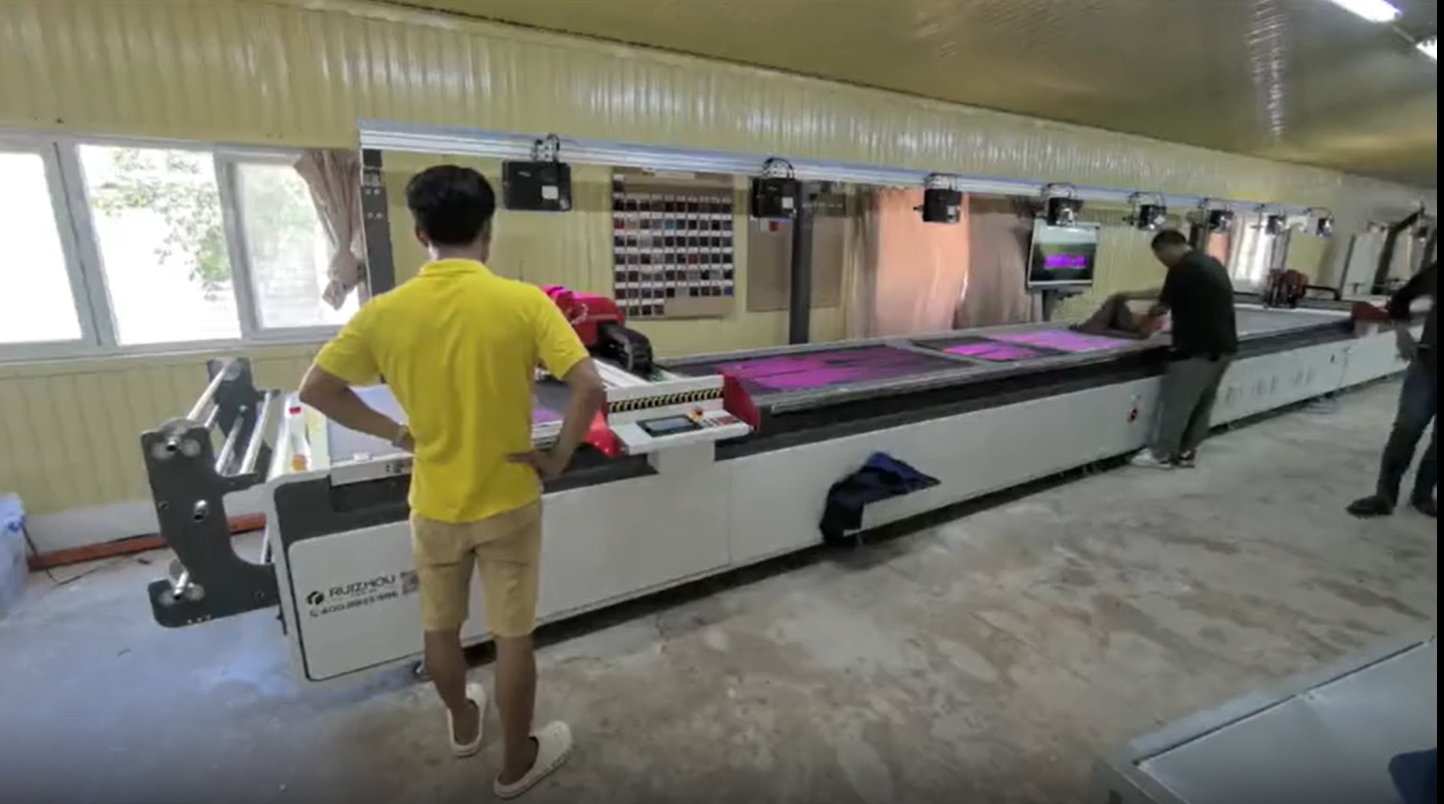
A garment factory in Cambodia recently upgraded its production line with a 12-meter ultra-wide CNC Garment Cutting Machine, achieving significant improvements in efficiency and cost control. After implementation, labor requirements were reduced by 50%, fabric waste decreased by 12%, and overall production efficiency was doubled. This transformation enabled the factory to shift from a traditional labor-intensive model to a highly automated workflow. Suit manufacturing benefits the most from this type of technology because it involves complex patterns, strict precision requirements, and the use of premium fabrics. A Garment CNC Cutter for Suit Manufacturing is specifically designed to meet these challenges, and with integrated AI Fabric Cutting System technology, manufacturers can achieve accurate pattern alignment, minimal fabric waste, and highly consistent production quality across every batch.
How to Choose the Right CNC Cutting Machine
A CNC Garment Cutting Machine typically costs between $50,000 and $80,000 depending on its specifications, with models featuring advanced AI Fabric Cutting System technology generally priced higher but offering faster ROI. It is suitable not only for large factories but also for small and medium-sized manufacturers, as it helps improve efficiency, reduce labor dependency, and maintain consistent product quality even at smaller production scales. Modern High Efficiency Textile Cutting Machine systems are designed to be user-friendly, allowing operators to learn basic functions within a few days. Labor requirements can be reduced by up to 50%, while fabric waste is minimized through intelligent pattern optimization that maximizes material usage. This technology is widely applicable across suits, fashion apparel, uniforms, and other textile products. Most factories achieve a return on investment within 6 to 12 months through combined savings in labor and materials. When purchasing, key considerations include machine size, software capabilities, production requirements, and supplier reliability. Overall, the shift toward automation is becoming inevitable in the garment industry, and a CNC Garment Cutting Machine delivers fast ROI, reduced operational costs, and improved efficiency and quality—making the decision for suit manufacturers no longer about whether to invest, but when.
If your factory is ready to reduce costs and increase efficiency, now is the time to upgrade.🌐 www.ruizhoutech.com