
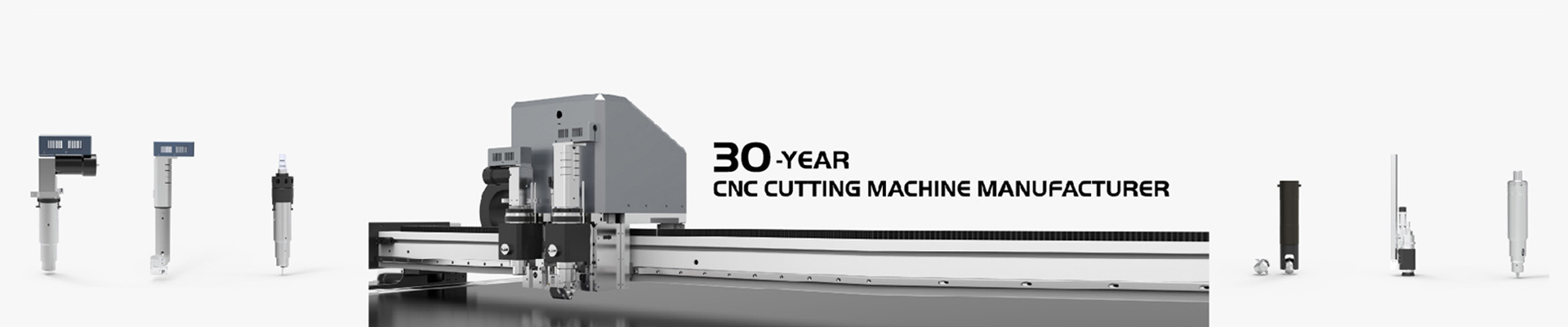
In recent years, Southeast Asia has rapidly emerged as one of the most dynamic regions in global apparel manufacturing. Countries such as Cambodia, Vietnam, and Indonesia are attracting increasing volumes of international orders due to competitive labor costs, favorable trade policies, and expanding industrial capacity. However, as global fashion brands shift toward higher standards in quality, speed, and customization, traditional production models are facing mounting pressure.
Manual processes, once the backbone of garment manufacturing, are no longer sufficient to meet the evolving demands of the modern market. Rising labor costs, shortages of skilled workers, and the growing complexity of customized apparel—especially in high-end segments such as tailored suits—are pushing manufacturers to adopt advanced technologies.
Against this backdrop, the adoption of intelligent cutting solutions, particularly the CNC fabric cutting machine, is becoming a defining trend. These machines are not only improving efficiency but also reshaping how apparel factories operate, manage materials, and scale production.
Cambodia’s Manufacturing Transformation: From Labor-Driven to Technology-Driven
Cambodia has long been recognized as a key player in the global garment supply chain. Traditionally reliant on labor-intensive production, the country’s apparel sector is now undergoing a significant transformation. Manufacturers are increasingly investing in automation to enhance productivity and remain competitive in an industry that demands both speed and precision.One of the key drivers behind this transformation is the shift toward higher-value products. While basic garment production still dominates, there is a noticeable rise in demand for premium apparel, including custom suits and tailored fashion. These products require a higher level of craftsmanship, consistency, and accuracy—something that manual cutting processes struggle to deliver at scale.
To address these challenges, factories are turning to advanced solutions such as the digital cutting machine. By integrating software-driven precision with automated hardware, these systems enable manufacturers to achieve a level of consistency that was previously unattainable.
The Limitations of Traditional Cutting Methods
Before the adoption of automated systems, most garment factories relied heavily on manual cutting or semi-automatic tools. While these methods have served the industry for decades, they come with several inherent limitations:
Low Efficiency: Manual cutting is time-consuming and heavily dependent on worker skill levels.
Material Waste: Inaccurate pattern placement often leads to significant fabric wastage.
Inconsistent Quality: Variations in cutting precision can result in defects and rework.
Labor Dependency: Skilled cutters are increasingly difficult to find and retain.
Limited Scalability: Expanding production capacity requires proportional increases in labor, which is not always feasible.
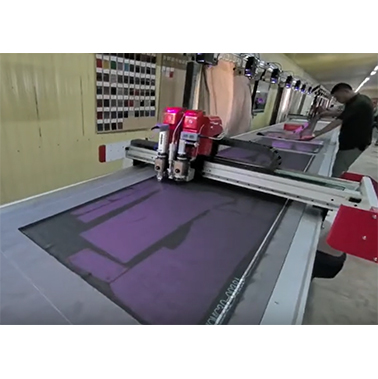
These challenges are particularly pronounced in custom suit manufacturing, where precision in pattern alignment and symmetry is critical. Even minor deviations can affect the final fit and appearance of the garment.
Technological Breakthrough: The Rise of AI-Driven Cutting Solutions
The introduction of the AI fabric cutting system marks a significant leap forward in addressing the limitations of traditional methods. By leveraging artificial intelligence and advanced algorithms, these systems can automatically analyze patterns, optimize layout, and execute precise cuts with minimal human intervention.
One of the most notable innovations is AI-powered nesting. This technology calculates the most efficient arrangement of pattern pieces on fabric, significantly reducing waste and improving material utilization. For manufacturers dealing with expensive fabrics, such as wool and premium blends used in suits, this can lead to substantial cost savings.
In addition to AI, the integration of AR (Augmented Reality) projection technology further enhances accuracy. By projecting cutting outlines directly onto the fabric, operators can visually verify alignment before cutting begins. This is especially valuable for striped or patterned fabrics, where alignment is crucial.
Together, these technologies transform the automatic fabric cutter into a highly intelligent system capable of delivering both speed and precision.
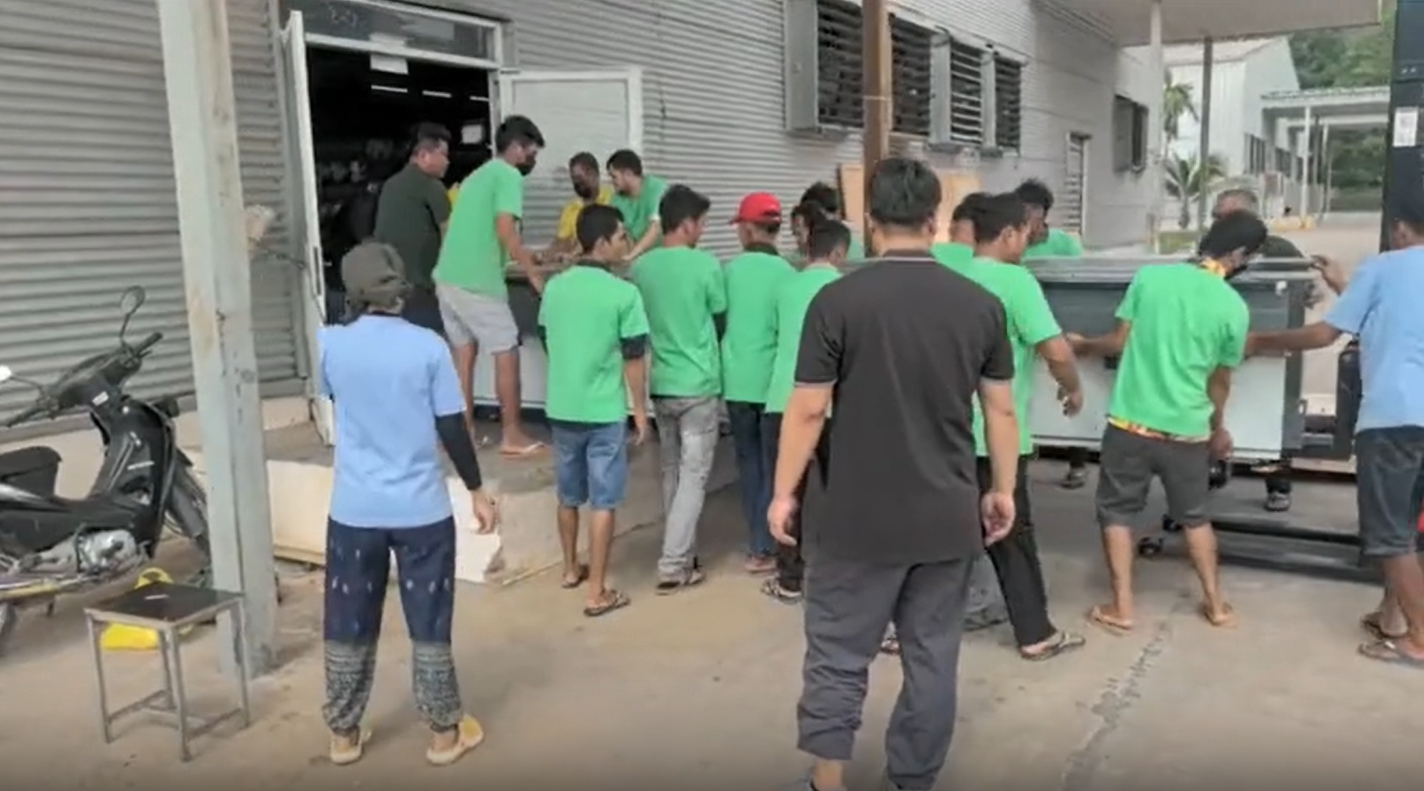
Case Insight: 12-Meter CNC Cutting Machine Deployment in Cambodia
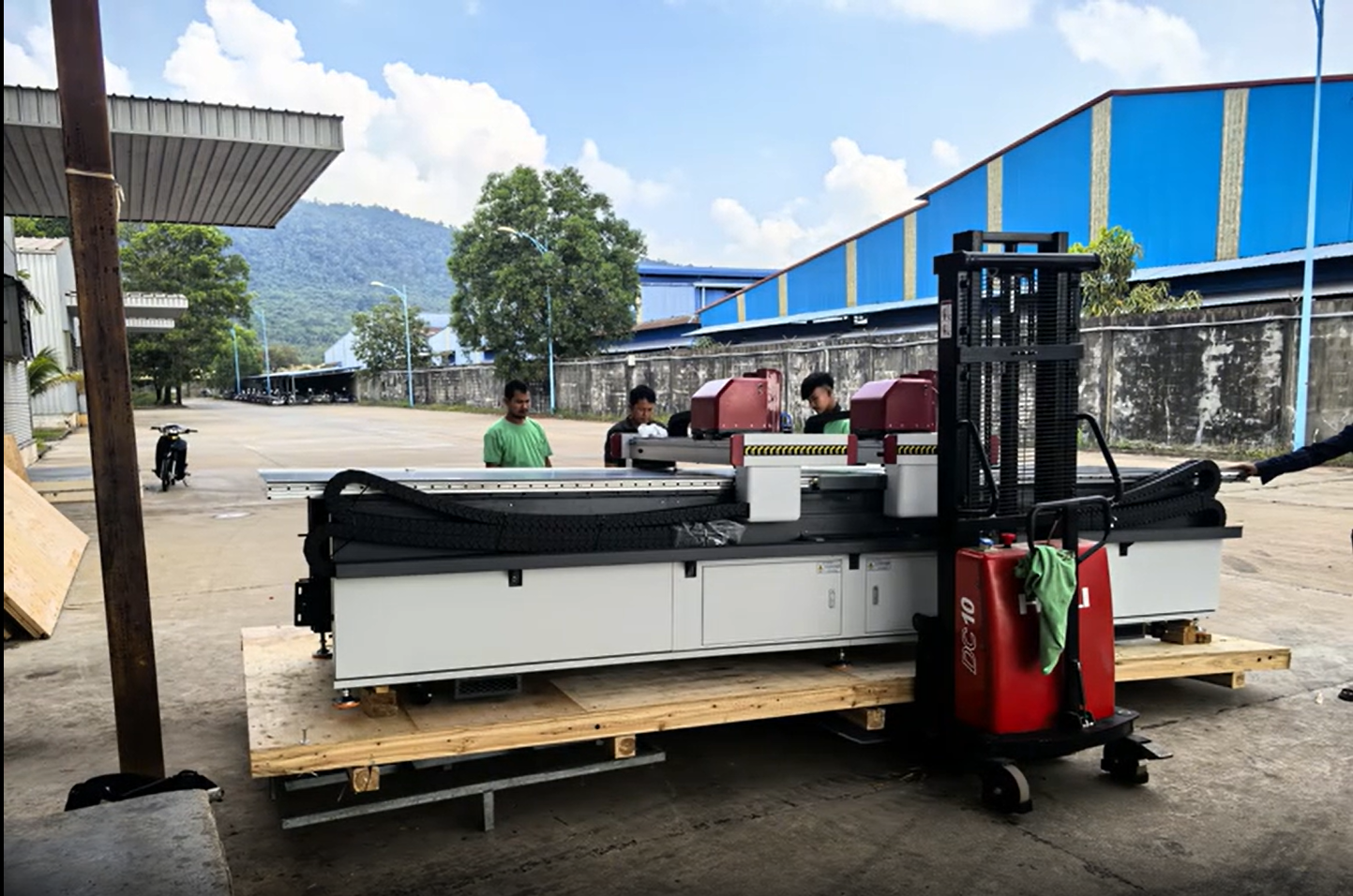
A recent upgrade by a leading apparel manufacturer in Cambodia highlights how these technologies are being applied in real-world production environments. The factory introduced a 12-meter-wide garment cutting machine designed specifically to handle large-scale and high-precision cutting tasks.
The extended cutting length allows for continuous processing of long fabric rolls, reducing interruptions and increasing throughput. This is particularly beneficial for bulk production as well as custom orders that require flexibility and quick turnaround times.
Equipped with an advanced CNC fabric cutting machine system, the solution integrates AI nesting and AR projection, enabling precise alignment and efficient material usage. The automation of cutting processes significantly reduces the reliance on manual labor while ensuring consistent quality across all batches.
Although specific performance metrics may vary, manufacturers adopting similar technologies have reported notable improvements in efficiency, accuracy, and overall production stability.
Broader Industry Impact: Accelerating Digital Transformation
The adoption of digital cutting machine technology is not just a technical upgrade—it represents a broader shift toward digital transformation in the apparel industry. As factories integrate cutting systems with design software, production planning tools, and data analytics platforms, they are moving toward fully connected and intelligent manufacturing environments.This transformation brings several long-term benefits:
1
Improved Production Planning
Real-time data enables better scheduling and resource allocation.
2
Enhanced Traceability
Digital systems allow for better tracking of materials and processes.
3
Faster Response to Market Trends
Manufacturers can quickly adapt to changing customer demands.
4
Sustainability Gains
Reduced waste and optimized resource usage contribute to more sustainable operations.
For regions like Southeast Asia, embracing these technologies is essential to maintaining competitiveness in the global market.
As the apparel industry continues to evolve, the demand for intelligent cutting solutions is expected to grow. Factors such as increasing customization, shorter production cycles, and rising quality standards will drive further adoption of advanced technologies.In Cambodia and across Southeast Asia, more factories are likely to invest in solutions such as the AI fabric cutting system and CNC fabric cutting machine to stay competitive. This trend is also supported by the growing availability of technology providers offering tailored solutions for different production needs.Looking ahead, the integration of cutting systems with other automated processes—such as sewing and finishing—could lead to fully automated production lines, further transforming the industry.
For more information on advanced cutting solutions and global applications, visit:👉 www.ruizhoutech.com